Campfire Cooking: Gear, Fire Control, and Beginner Meals That Work

Most campfire cooking advice is written by people who cooked once over a perfect backyard fire and then pretended the woods work the same way. They don’t. Wind shifts. Wood is damp. Cheap grates sag. Dinner burns black on the outside while the center stays cold. The problem usually isn’t the recipe. It’s the fire.
Campfire cooking is a fire-control skill first and a cooking skill second. If you can build a clean fire, make a coal bed, move heat where you want it, and keep food out of the dirt and ash, you can feed yourself with basic gear. If you chase flames because the photos look better, you’ll ruin food, waste fuel, and create the kind of sloppy fire that gets camps shut down.
Campfire cooking is coal management, not flame worship
Good campfire cooking happens over steady coals, with flame used mainly to build more coals or boil water fast. Flames lick, flare, soot up cookware, and swing from useless to scorching in seconds.
This is the first place most camping blogs get it wrong. They show a skillet balanced above a tall flame like that somehow counts as outdoor competence. What actually happens in the field is predictable: the pan gets hot on one edge, the handle becomes a branding iron, grease flares, and the cook starts waving food around like a man negotiating with fire.
A cooking fire needs two jobs separated:
- A burn zone, where fresh fuel turns into usable coals.
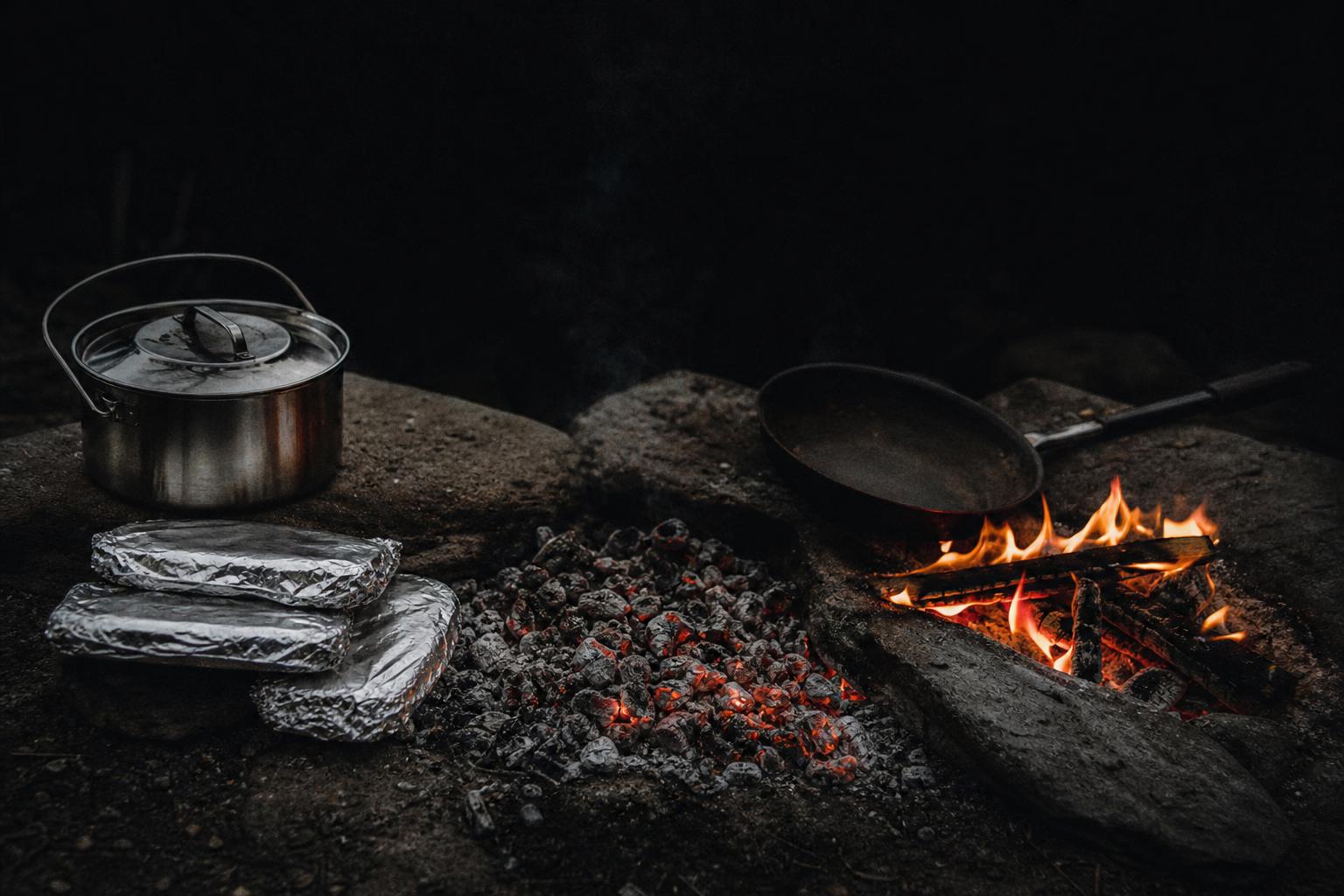
- A cook zone, where coals are raked under pots, pans, foil packets, or a grate.
That separation is not fancy. It’s basic bushcraft skills applied to food. You stop putting dinner over the chaos and start putting dinner over controlled heat.
What gear actually earns space in a campfire cooking kit?
The best campfire cooking gear is plain, stable, heat-resistant, and easy to clean without a sink. Leave fragile nonstick kitchen pans and gimmick folding contraptions at home unless you enjoy picking your dinner out of ash.
A practical kit starts with cookware that can take direct heat:
- Stainless steel pot with lid: Boils water, cooks rice, rehydrates meals, makes soup, and cleans easier than most rough camp cookware.
- Long-handled skillet: Carbon steel or cast iron works well. Cast iron is great for vehicle camps, miserable in a lightweight pack.
- Heavy-duty foil: Useful for packets, wrapping fish, covering a pot, and shielding food from ash. Thin foil tears when you need it most.
- Metal tongs: Better than stabbing food with a knife and dropping it into the coals.
- Leather gloves: Not fashion. Hot wire handles, pot bails, and grates punish bare hands.
- Small cutting board or clean prep surface: Dirt is not seasoning.
- Food thermometer: Especially if you cook raw meat outdoors, where uneven heat is normal.
Do not cook in painted cans, plastic-lined cans, mystery metal containers, or galvanized hardware-store buckets. Campfire heat is not kitchen heat. Use cookware made for cooking food.
For food planning, carry ingredients that don’t punish you for imperfect timing. Dried vegetables, rice, oats, jerky, bouillon, and dehydrated meals tolerate camp conditions better than delicate grocery-store food. If you’re building a real pantry instead of a weekend snack bag, see 50 foods to dehydrate for your stockpile.
How do you build a campfire for cooking instead of smoke and panic?
Build a small, hot fire with dry tinder, staged kindling, and fuelwood sized for the job. A huge fire is harder to cook on, harder to control, and harder to put dead out.
The correct sequence is simple, and skipping it is why beginners kneel in smoke for twenty minutes while blaming their fire starter.
- Start with the site. Use an existing fire ring where allowed. Keep the fire away from overhanging branches, dry grass, loose leaves, tents, packs, and stacked fuel.
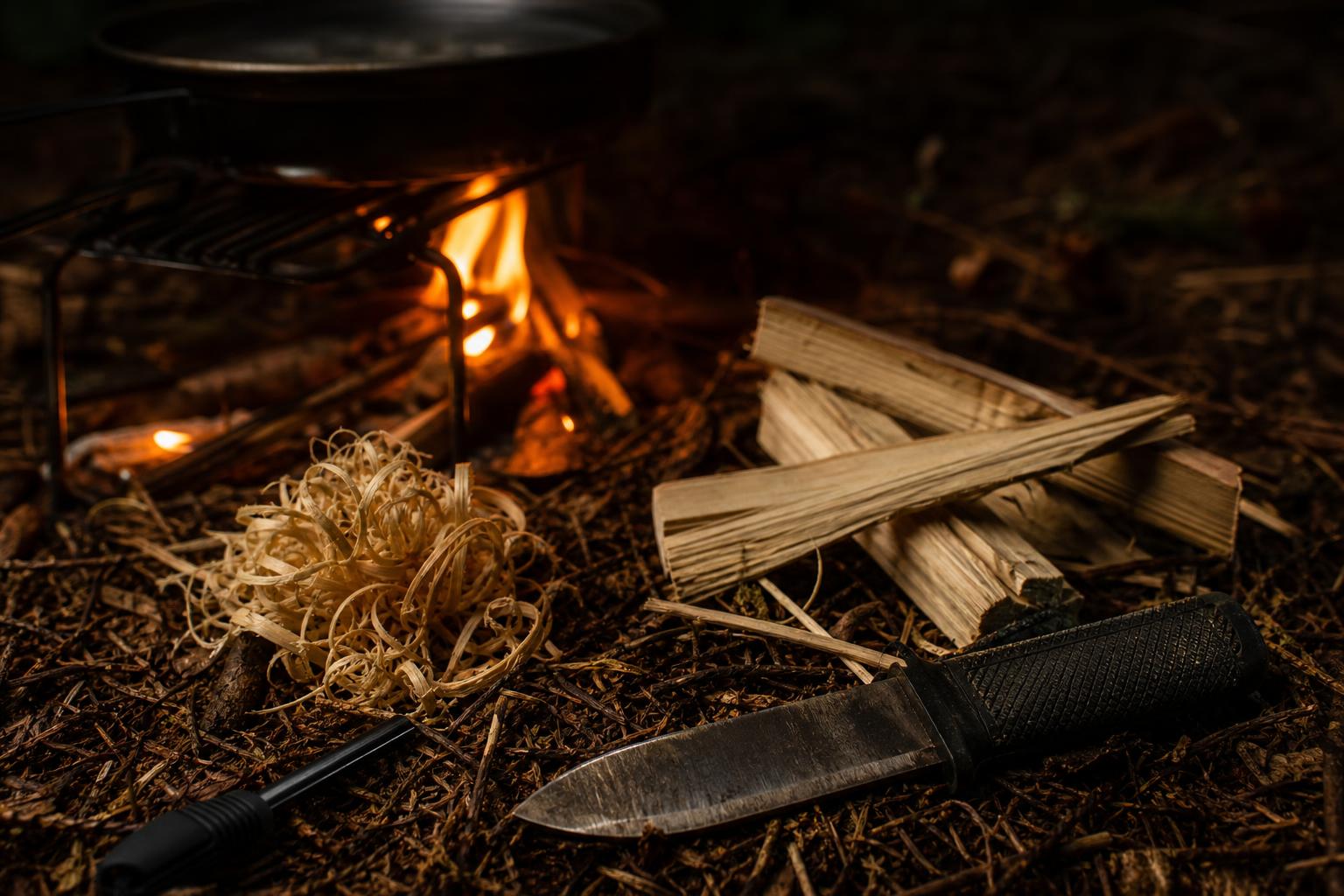
- Prepare tinder. Use dry grass, bark scrapings, commercial tinder, cotton, paper, or fine fatwood shavings. Tinder catches the first spark or flame.
- Add pencil-size kindling. This is the fuel that turns a weak flame into a real fire. If your kindling is too large, the fire stalls.
- Add thumb-size sticks. Feed these only after the small kindling is burning clean.
- Add wrist-size fuelwood. Use larger wood after the fire is established and capable of making coals.
Fatwood earns its place because resin-rich pine shavings take flame readily and burn longer than dry grass. Shave it into curls instead of throwing a chunk under damp sticks and hoping for religion. A ferro rod, lighter, or storm match can all light good tinder. None of them fix lazy preparation.
If wood is damp on the outside, split it. The interior is often drier than the bark. If your tinder feels cool against the back of your hand, it’s still too damp for reliable fire starting. Keep the next round of kindling near the fire, not in it, so radiant heat dries it while you cook.
Follow local fire rules and bans. The Smokey Bear campfire safety guidance is blunt for a reason: maintain the fire, keep water and a shovel close, and make sure it is cold before leaving.
The two-zone fire solves most beginner camp meals
A two-zone fire gives you one side for making coals and one side for cooking over those coals. This is the simplest reliable setup for campfire cooking because it lets you raise or lower heat without moving the whole meal.
Build the active flame on one side of the fire ring. As wood burns down, rake glowing coals to the opposite side. Put your pot, skillet, foil packets, or grill grate over the coal side. Keep feeding small fuel to the flame side as needed. That gives you a fresh supply of heat without burying dinner in new smoke and flame.
This setup also lets you cook multiple things at different speeds. Put a pot near the hotter coals for boiling. Slide foil packets to a softer edge. Pull the skillet halfway off the coal bed when fat starts smoking too hard. Campfire cooking is movement. Fixed heat is a kitchen luxury.
The coal bed should be wider than the bottom of the pot or pan. A tiny bullseye of heat in the center burns one spot and leaves the rest undercooked. Spread coals evenly, then adjust by raking more in or scraping some away. The shovel is your burner knob.
Coal control is the part most campfire cooking guides skip
Coals cook by steady radiant heat. New flames cook by chaos. Control the coal depth, spread, and distance from the food before you blame the recipe.
Over hot coals, thin food cooks fast and thick food lies to you. Bacon, sliced sausage, tortillas, bannock, fish fillets, and chopped vegetables make sense for beginners. Thick chicken pieces, giant potatoes, and oversized steaks turn into outdoor food-safety roulette unless you know how to manage indirect heat and internal temperature.
Use these field cues:
- Pan smokes hard within seconds: Too hot. Move the pan to fewer coals or lift it higher.
- Food sits without sound or scent: Too cool. Add coals under the cook zone.
- Foil packet burns on the bottom: Too much direct heat. Move it to the edge and rotate more often.
- Pot boils violently and soots black: Flame is hitting the pot. Rake coals under it instead.
- One side cooks faster: Wind is feeding one side of the coal bed. Turn the pan or build a windbreak with rocks only where that’s safe and allowed.
Do not put river rocks in a fire ring for cooking support. Wet or porous rocks can fail when heated. Use stable grates, tripods, flat cooking stones only if you know the material and conditions, or simple stakes that keep gear secure. A pot of boiling food tipping into the fire is a medical problem, not a camp inconvenience.
Safe meat outdoors means using temperature, not optimism
Campfire heat is uneven, so safe cooking temperatures matter more outdoors than they do in a controlled kitchen. Use a food thermometer when cooking meat, poultry, or leftovers over a fire.
The USDA’s safe minimum internal temperatures list poultry at 165°F, ground meats at 160°F, and fish plus whole cuts of beef, pork, lamb, and veal at 145°F with rest time for whole cuts. Those numbers matter when the outside of a chicken thigh looks finished because the fire was too hot while the bone side is still underdone.
Keep raw meat separate from ready-to-eat food. Use a clean plate for cooked food, not the same plate that held raw chicken. Wash hands and utensils. If clean water is your weak point, fix that before you build a menu around raw meat. Camp cooking and water discipline are tied together, which is why a practical camp setup should include something like a DIY water filtration system for survival as part of the larger plan.
Beginner meals that actually work over a campfire
The best beginner campfire meals use small pieces, forgiving ingredients, and cookware that gives you control. Save the whole roast fantasy for after you can manage coals without scorching oatmeal.
One-pot rice, sausage, and dried vegetables
Brown sliced smoked sausage lightly in the pot or skillet. Add rice, dried vegetables, water, and bouillon. Simmer over moderate coals with the lid on. Move the pot to the edge when it starts sticking. This meal works because everything is small, the liquid buffers heat, and the lid traps steam.
Foil packet potatoes and sausage
Slice potatoes thin, not into brick-sized chunks. Add sliced sausage, onion, oil or butter, salt, and pepper. Seal in heavy-duty foil and place near coals, not in the hottest center. Rotate often. Thin slices are the trick. Big chunks stay hard while the outside burns.
Skillet hash
Use precooked potatoes or small diced raw potatoes, canned meat or sausage, onions, and peppers. Cook over an even coal bed and keep it moving. This is a better teaching meal than steak because it shows you immediately whether your pan is too hot.
Bannock on a stick or in a skillet
Mix flour, baking powder, salt, fat, and water into a stiff dough. Wrap a thin strip around a clean stick or flatten it into a skillet. Cook near coals, rotating slowly. Thick dough stays raw in the center, which is why beginners should make it thin.
Soup from dried food
Dried vegetables, noodles, bouillon, jerky, and spices make a dependable pot meal. Soup is not glamorous. It is one of the smartest survival camp meals because water and heat even out mistakes.
Meal choice is part of firecraft. If your first campfire dinner requires perfect heat for twenty minutes, you picked the wrong training problem. Start with meals that forgive you while you learn fuel and coals.
Cleanup is fire safety, hygiene, and pest control
A sloppy camp kitchen attracts animals, wastes water, and leaves the next person a dirty fire ring. Clean while the fire is still useful, but keep food scraps out of the flames unless local rules allow burning them completely.
Scrape cookware first. Use hot water when you can. Sand or ash can scrub cast iron and steel in a pinch, but don’t pretend that grit replaces washing when you have soap and safe water. Strain food bits from gray water and pack them out where required. Scatter gray water only where regulations allow and away from camp, trails, and water sources.
Grease is the usual failure point. People dump it into the fire, it flares, then the whole cooking area stinks like a bait pile. Wipe grease with a paper towel and pack it out, or store it according to your camp plan. In bear country or any serious animal country, food storage rules outrank convenience.
Wet weather campfire cooking requires smaller fuel and more preparation
Rain does not stop campfire cooking. Bad tinder preparation stops it. In wet conditions, split wood smaller, protect kindling before ignition, and build a coal supply before you put dinner on.
This is where a real fire starter earns its keep. A lighter is fast. A ferro rod is durable and throws hot sparks when used correctly. Fatwood shavings help bridge the gap between spark and kindling. None of it matters if the first sticks are thumb-thick wet bark. Make feather sticks, split pencil-size dry centers, and feed the flame patiently until it can dry the next layer.
Cook under cover only if the shelter is designed and positioned for fire safety. Do not move a smoky fire under a low tarp and call it survival. Heat, sparks, and carbon monoxide are not negotiable. Use a higher tarp pitch, open sides, and distance from flame if you’re operating in rain, and keep the fire small.
The campfire cooking mistakes that keep showing up
These mistakes are boring because they’re common, and they’re common because people copy bad advice.
- Cooking over tall flames: It looks dramatic and cooks badly.
- Starting food too early: Wait for coals unless you’re boiling water.
- Using logs as a burner knob: Logs add smoke and flame. Coals add controllable heat.
- Skipping kindling: Fire starting fails in the small stages, not the big-log stage.
- Bringing the wrong pan: A short plastic-handled kitchen pan is camp trash after one hard use.
- Cooking thick raw meat first: Learn heat control on sliced food and one-pot meals.
- Letting the fire die during cooking: Keep a burn zone producing new coals.
- Leaving ash warm: Warm ash can still hold heat. Put the fire dead out before you leave.
Good campfire cooking is not primitive guessing. It is controlled heat, clean prep, and simple meals matched to the fire you actually have.
FAQ
What is the easiest food to cook over a campfire?
Soup, skillet hash, foil packets with thin-sliced ingredients, and one-pot rice meals are the easiest. They tolerate uneven heat better than thick cuts of raw meat.
Is fatwood better than paper as a fire starter?
Fatwood shavings usually burn longer and hotter than paper, especially in damp conditions. Paper can work, but it burns fast and does not replace dry kindling.
Can you cook directly on campfire flames?
You can boil water over flame if the pot is stable, but most food cooks better over coals. Flames create soot, flare-ups, and uneven heat.
Conclusion: build the fire before you build the menu
Campfire cooking works when the fire is treated like equipment. Build it small. Stage tinder, kindling, and fuelwood. Make coals on one side, cook on the other, and move heat with a shovel instead of gambling with flames. Start with meals that teach control, not meals that punish every mistake.
If you want more practical field skills without the glossy nonsense, download the free survival guide PDFs and start building a camp system that holds up when conditions get ugly.
Light the cook fire, not your patience
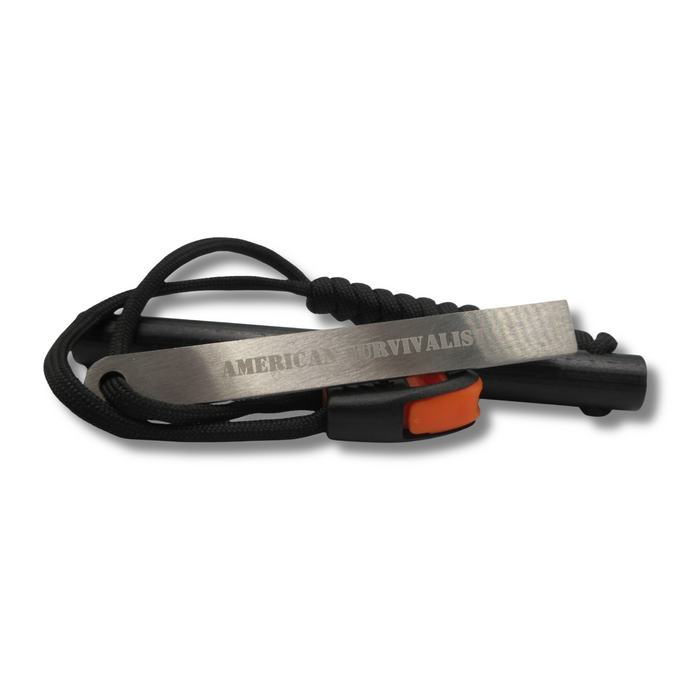
Every meal on this list depends on getting a coal bed going, and damp wood at dinnertime is where a lot of cooks lose the evening. The Large Ferro Rod we build throws a hot shower of sparks into fatwood shavings and feather sticks whether the wood's wet or dry, so you're making coals instead of cursing a dead lighter. It's half an inch thick with five inches of ferrocerium and a squared striker edge that actually bites, rated past 15,000 strikes, which adds up to a lot of dinners. Keep the Large Ferro Rod and striker in your cook kit, and grab our free survival guides to round out the rest of the camp system.